

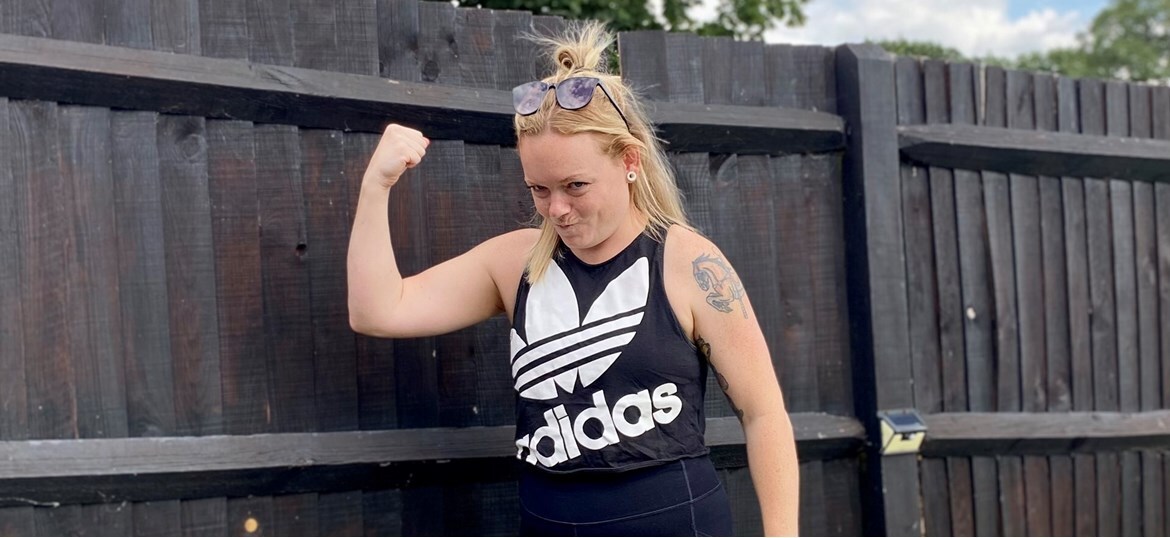

Emily Killick
My Story
Sepsis is a life-threatening condition that arises when the body’s response to an infection injures its own tissues and organs.
On April 3rd 2020 I gave birth to my first beautiful daughter. This was at the start of the national lockdown in the UK and the world had gone a little bit mad. After a few complications during the birth by caesarean section I was kept in for a blood transfusion and discharged on April 8th for Effie to come home and meet her dad.
It became quickly apparent at home that I wasn't well. My temperature was up and down reaching highs of over 40 degrees and everything in my body hurt. I was unable to do basic tasks caring for my newborn. I was too scared to go back in to hospital due to restrictions caused by the Covid pandemic, but fortunately on the evening of April 10th, my husband decided I needed to go back in as I really wasn't well.
I was seen quickly by staff in the emergency department and immediately put on IV antibiotics, sepsis was diagnosed quickly. I was in and out of consciousness but knew I had to hang in there for my new daughter and my husband.
Within a few hours of antibiotics I had started to feel an improvement already. The following day I had another blood transfusion and was feeling significantly better. On the evening of April 12th I was discharged.
I knew nothing about sepsis before having it, and speaking to others since there are very few who know anything about the signs and what to look out for. It can happen to anyone. There are 11 Million deaths globally every year, and sepsis kills more than breast, bowel and prostate cancer combined. It is as common as a heart attack. I genuinly believe my symptoms were clear to anyone who knows the signs of sepsis in the first few days after having my daughter whilst I was still in hospital, and people need to educate themselves and others around them on what these are.
- Slurred speech or confusion
- Extreme shivering or muscle pain
- Passing no urine (in a day)
- Severe breathlessness
- It feels like you’re going to die
- Skin mottled or discoloured
Recovery from sepsis can be difficult and lengthy, and often leaves people with life long complications. Find out more at https://sepsistrust.org/
The London Marathon has become an annual, inspiring and colourful fixture in the world’s sporting calendar since the inaugural race on 29 March 1981: a celebration of fun, fundraising and fancy dress.
Over the years more than a million people have completed the 26.2-mile course – which runs from Blackheath to The Mall, with a spectacular finish in front of Buckingham Palace, showcasing the very best that the capital city has to offer.
What’s more, these participants have raised over a billion pounds for charity and there have been countless amazing tales of human achievement throughout the event’s history – living up to its aim of helping participants ‘to have fun, and provide some happiness and sense of achievement in a troubled world’.